
- 65 Views
- 2 Min Read
- (0) Comment
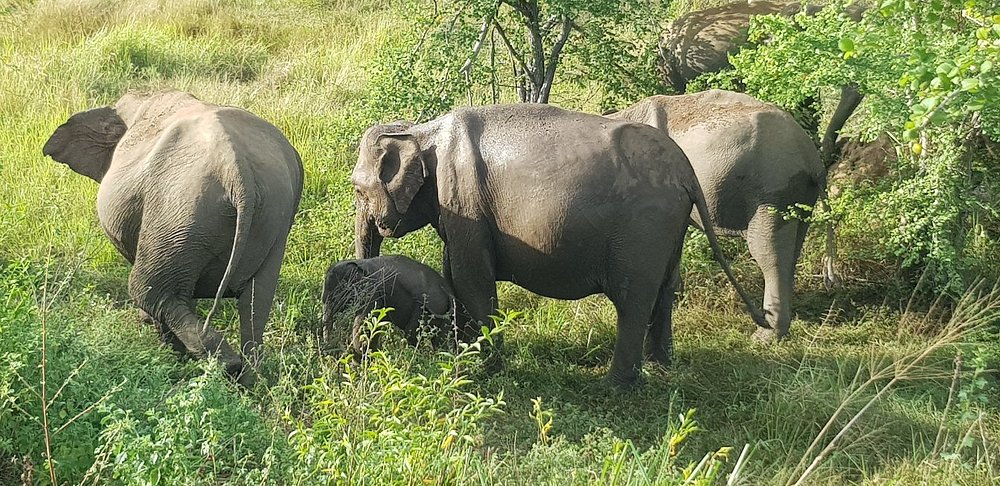
The Sri Lankan elephant (Elephas maximus maximus) stands as the largest and most iconic member of the Asian elephant family, representing a crucial part of the island’s rich biodiversity. These remarkable creatures are true giants, with males reaching up to 3.5 meters in shoulder height and weighing as much as 6 tons. Despite their imposing size, Sri Lankan elephants possess a gentle nature, living in family-oriented societies and playing a vital role in shaping the island’s ecosystems through their movements and feeding patterns.
One of the most distinctive features of Sri Lankan elephants is their rarity of tusks. Unlike their counterparts in other regions, only about 5 to 10 percent of male elephants in Sri Lanka develop long, prominent tusks, making sightings of these majestic tuskers exceptionally rare and special. Females, which are considerably smaller and lighter than males, never grow tusks but instead form strong matriarchal herds that care for and nurture their young. These social bonds are fundamental to elephant society, with females often seen accompanied by calves, demonstrating their crucial role in maintaining family structures and passing down survival knowledge.
Sri Lankan elephants are ecosystem engineers, utilizing diverse habitats across the island to survive and thrive. They inhabit dry zone forests, grasslands, wetlands, and scrublands, moving between different environments based on seasonal changes. During the wet season, they seek areas abundant with fresh grasses and fruits, while in the dry season, they venture into forests to feed on leaves, bark, and roots, relying on permanent water sources. This adaptive behavior allows them to sustain themselves in Sri Lanka’s varying climate, and their feeding activities help disperse seeds and shape the landscape, making them indispensable to the island’s ecological balance.
However, these magnificent creatures face increasing challenges from human-elephant conflict as agricultural expansion and growing villages encroach upon their habitats. Crop raiding and property damage have led to retaliatory killings, threatening elephant populations and highlighting the urgent need for conservation efforts. Despite these challenges, Sri Lankan elephants remain an endangered species and continue to be a symbol of the island’s natural heritage, featured prominently in cultural traditions, temple processions, and folklore. Protecting these gentle giants is essential not only for preserving Sri Lanka’s biodiversity but also for maintaining the ecological harmony that supports the entire island ecosystem.
Leave a comment: